Understanding Aircraft Inspections: A Beginner's Guide
Aircraft inspections are a critical aspect of aviation safety and maintenance. Whether you are a pilot, aircraft owner, or simply an aviation enthusiast, understanding the basics of aircraft inspections can enhance your knowledge and appreciation of the industry. This guide will walk you through the different types of inspections, their importance, and what to expect during the process.
The Importance of Aircraft Inspections
Aircraft inspections are essential for ensuring the safety and airworthiness of an aircraft. Regular inspections help identify potential issues before they become serious problems, thereby preventing accidents and ensuring compliance with aviation regulations. Here are some key reasons why inspections are vital:
Safety: The primary goal of any inspection is to ensure the safety of passengers and crew. Regular checks can identify mechanical failures, structural issues, or other concerns that could lead to accidents.
Regulatory Compliance: Aviation authorities, such as the Federal Aviation Administration (FAA) in the United States, require specific inspections to maintain compliance with safety regulations. Failing to adhere to these regulations can result in fines or grounding of the aircraft.
Cost Efficiency: Regular inspections can save money in the long run. By identifying and addressing minor issues early, aircraft owners can avoid costly repairs and downtime associated with major failures.
Resale Value: A well-maintained aircraft with a complete inspection history is more attractive to potential buyers. Keeping thorough records of inspections can enhance the resale value of the aircraft.
Types of Aircraft Inspections
There are several types of inspections that aircraft undergo, each serving a specific purpose. Understanding these types can help you appreciate the thoroughness of the inspection process.
Pre-flight Inspection
A pre-flight inspection is a routine check performed by pilots before every flight. This inspection ensures that the aircraft is safe to operate and includes checking:
Fuel levels
Control surfaces
Landing gear
Lights and instruments
Annual Inspection
An annual inspection is a comprehensive examination required by aviation authorities to ensure the aircraft meets safety standards. This inspection typically includes:
A detailed review of the aircraft's maintenance history
Structural checks
Systems evaluations (electrical, hydraulic, etc.)
Compliance with airworthiness directives
100-Hour Inspection
For aircraft used for hire or flight training, a 100-hour inspection is required every 100 flight hours. This inspection is similar to the annual inspection but is less comprehensive. It focuses on:
Engine performance
Airframe condition
Safety equipment functionality
Progressive Inspection
A progressive inspection is a method that allows aircraft owners to spread out the required inspections over a longer period. This approach can minimize downtime and is often used for larger aircraft. It involves:
Regularly scheduled checks throughout the year
A detailed log of findings and repairs
Special Inspections
Special inspections may be required after specific events, such as:
Hard landings
Severe weather encounters
Modifications or repairs
These inspections ensure that any potential damage is identified and addressed promptly.
What to Expect During an Inspection
Understanding what happens during an aircraft inspection can help demystify the process. Here’s a general overview of what you can expect:
Preparation
Before the inspection begins, the aircraft owner or operator should ensure that all necessary documentation is available. This includes:
Maintenance logs
Airworthiness directives
Previous inspection reports
The Inspection Process
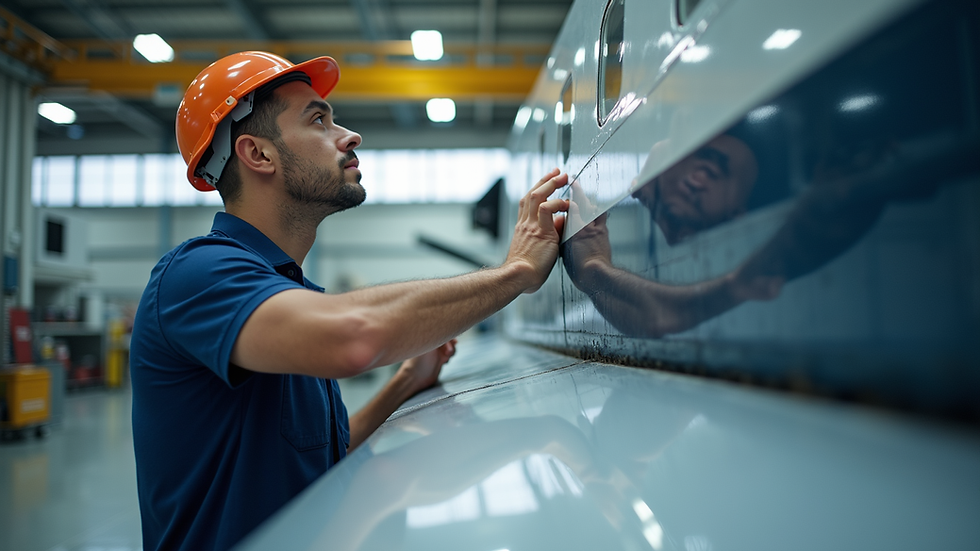
During the inspection, certified mechanics will perform a series of checks based on the type of inspection being conducted. This process may involve:
Visual inspections of the aircraft's exterior and interior
Functional tests of systems and components
Use of specialized tools and equipment to assess the aircraft's condition
Post-Inspection Review
Once the inspection is complete, the mechanics will provide a detailed report outlining their findings. This report may include:
Any issues identified
Recommended repairs or maintenance
Confirmation of compliance with regulations
Follow-Up Actions
If any issues are found during the inspection, the aircraft owner will need to address them promptly. This may involve scheduling repairs or additional inspections to ensure the aircraft remains airworthy.
Common Issues Found During Inspections
Aircraft inspections can reveal a variety of issues, some of which are more common than others. Here are a few examples:
Corrosion: This is a frequent concern, especially in older aircraft or those exposed to harsh environments. Regular inspections can help identify corrosion early, allowing for timely repairs.
Wear and Tear: Components such as tires, brakes, and control surfaces can experience wear over time. Inspections help ensure these parts are replaced or repaired as needed.
Fluid Leaks: Leaks from hydraulic systems or engines can pose significant safety risks. Inspections help identify and address these leaks before they lead to more severe problems.
The Role of Technology in Aircraft Inspections
Advancements in technology have significantly improved the efficiency and accuracy of aircraft inspections. Some of the latest technologies include:
Drones: Drones can be used for visual inspections of hard-to-reach areas, providing a safer and more efficient way to assess an aircraft's condition.
Ultrasonic Testing: This non-destructive testing method uses sound waves to detect flaws in materials, helping to identify issues without damaging the aircraft.
Data Analytics: Modern aircraft are equipped with sensors that collect data on various systems. Analyzing this data can help predict maintenance needs and improve overall safety.
Conclusion
Understanding aircraft inspections is crucial for anyone involved in aviation. These inspections play a vital role in ensuring safety, regulatory compliance, and cost efficiency. By familiarizing yourself with the different types of inspections and what to expect during the process, you can better appreciate the importance of maintaining aircraft in optimal condition.
As you continue your journey in aviation, consider how you can apply this knowledge to enhance your understanding and involvement in the industry. Whether you are a pilot, owner, or enthusiast, staying informed about aircraft inspections can lead to safer and more enjoyable flying experiences.


Comments